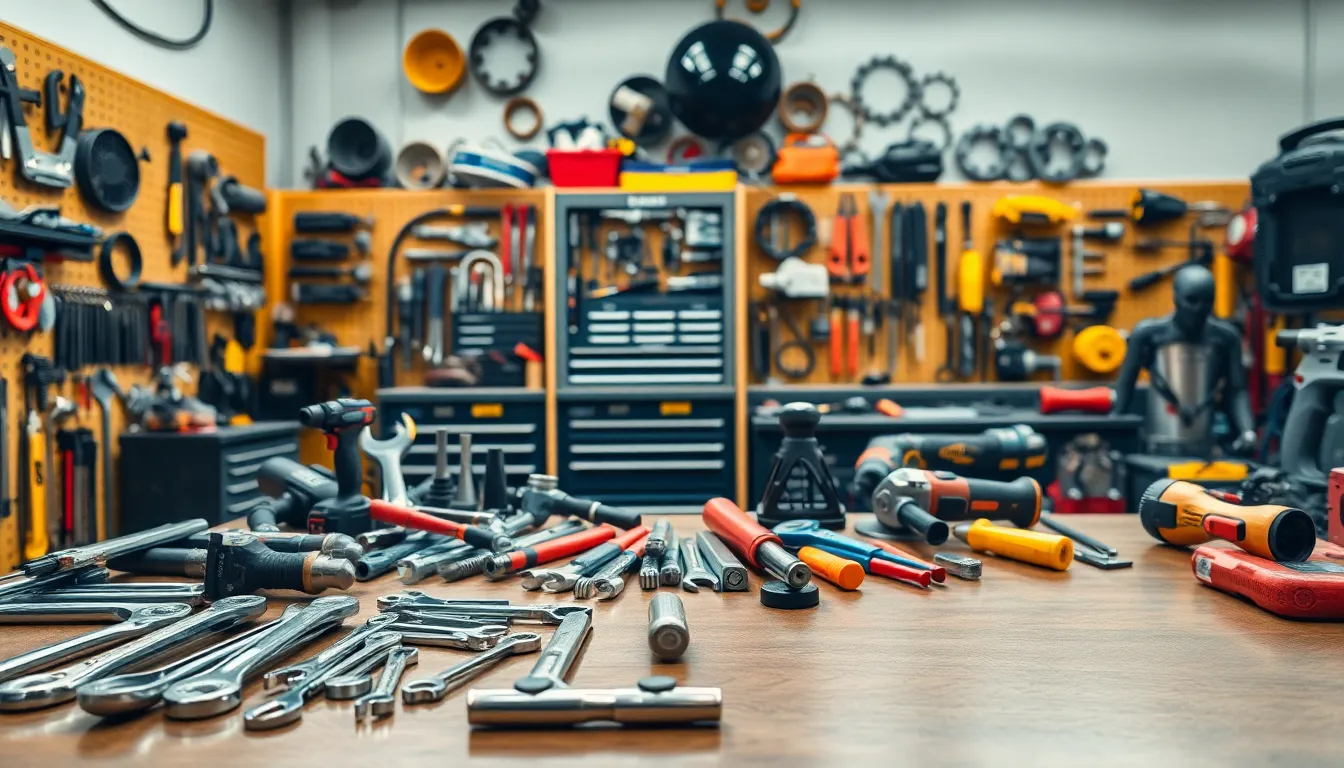
Imagine entering a mechanical workshop and being greeted by an array of shiny tools, each waiting to be wielded like a knight’s sword. From hand tools to power tools, the right gear not only boosts efficiency but also adds a sprinkle of joy to turning wrenches and drilling holes. If you think mechanical workshop tools are just for the pros, think again. With the right knowledge, anyone can embark on their mechanical journey. Buckle up: it’s time to dive deep into the tools that transform mere mortals into workshop wizards.
Essential Hand Tools for Mechanical Workshops
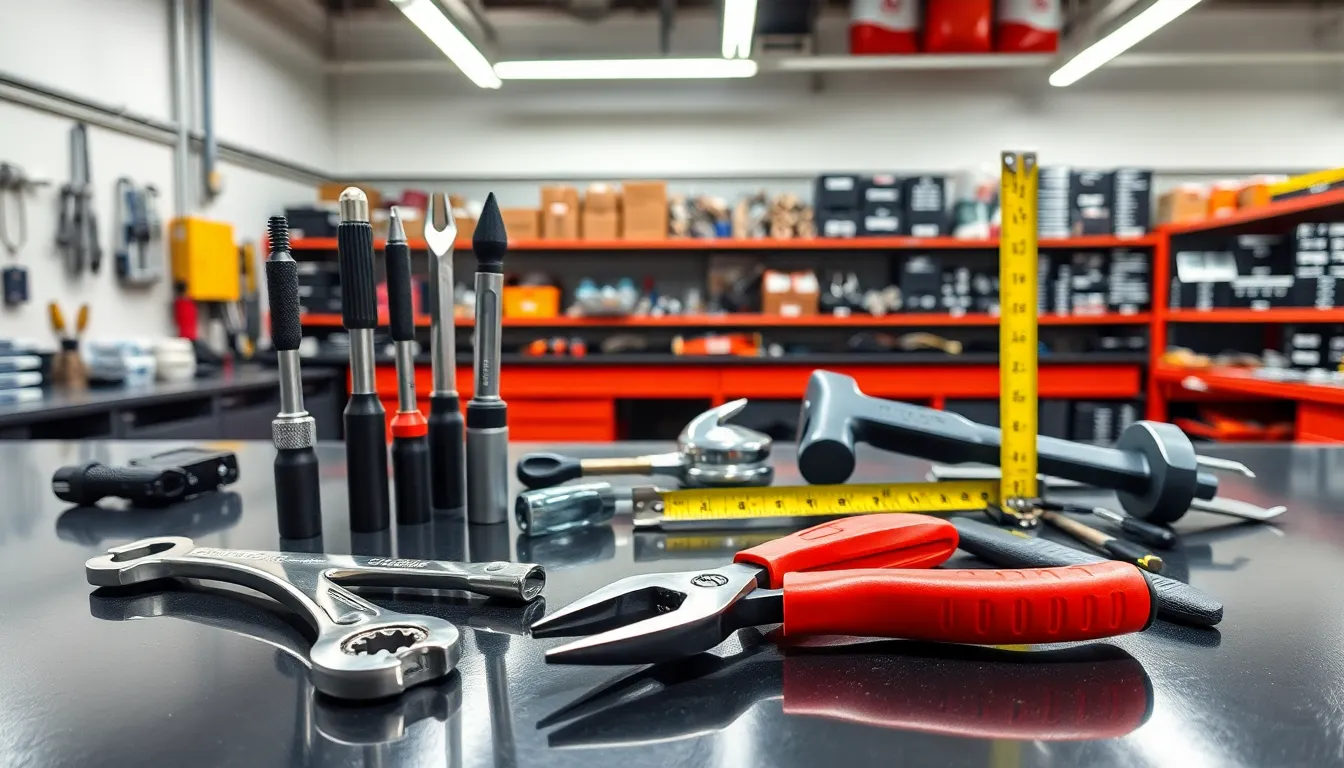
In every mechanical workshop, hand tools lay the foundation for success. First off, the wrench is an essential companion. Be it a ratchet or an open-end wrench, these tools help in loosening and tightening bolts effortlessly. Moving on, the screwdriver also deserves its place in the limelight. Available in various head types like Phillips and flat, a robust set covers nearly every situation.
Next, let’s not forget about pliers. They can grip, twist, and cut, making them indispensable. You’d be amazed at how often a pair of locking pliers can save the day when things get tough. And speaking of tough, hammers are the unsung heroes. Whether it’s a rubber mallet for delicacy or a claw hammer for heavy-duty tasks, each plays a vital role.
Measuring tools such as tape measures, squares, and calipers are crucial. Accurate measurements ensure that everything fits seamlessly, because nobody wants a part that just doesn’t quite work. Finally, add a reliable utility knife to your tool belt. It’s perfect for opening packages and slicing through various materials like butter. These hand tools are the backbone of any workshop, offering reliability and versatility that defines successful mechanical work.
Power Tools for Efficiency and Precision
Now, let’s shift gears to a realm where power meets precision: power tools. The magic begins with the drill. A trusty drill can bore holes in seconds, transforming tedious tasks into effortless feats. Whether it’s corded or cordless, having both types allows flexibility based on the job at hand.
Next on the power line is the angle grinder. This tool is perfect for cutting, grinding, and polishing, and its versatility is simply unmatched. When paired with different discs, it can tackle everything from metal to concrete.
Don’t overlook the impact wrench, especially for automotive work. It works wonders when you need to remove stubborn bolts with little effort. In the same vein, sanders help achieve that smooth finish everyone craves. They can turn rough wood into a polished masterpiece in no time.
Finally, the advent of cordless technology has revolutionized the world of power tools. No longer tethered to a wall outlet, mechanics can move more freely within their workspace, enhancing productivity. Investing in quality power tools not only saves time but also boosts the quality of the finished work.
Specialized Equipment for Advanced Automotive Work
For those venturing into the realm of automotive repairs, specialized equipment becomes essential. Start with a car lift. This tool elevates vehicles for easy access to the undercarriage, making repairs safer and more convenient. Alongside this, a tire changer can be a game-changer for anyone dealing with tire rotations and replacements.
Another critical piece of equipment is the diagnostic scanner. It reads vehicle codes and provides valuable insights, allowing mechanics to quickly pinpoint issues that are otherwise hidden beneath the hood. Can’t forget about engine hoists either: these help lift heavy engines out of vehicles, facilitating repairs or replacements.
Also, having a compressor is key for pneumatic tools operation, ensuring efficiency during tire inflation or when executing tasks that require air power. The investment in specialized equipment can add significant value to a workshop, elevating capabilities and attracting more clients. Advanced tools make complex tasks seem mundane, allowing for an enriched and effective working environment.
Safety Gear and Best Practices in the Workshop
While mechanical workshop tools are fantastic, safety must be the top priority. Let’s talk about essential safety gear. Eye protection is always a must. Invest in good-quality safety goggles to shield against debris and dust. Next, don’t skimp on a sturdy pair of gloves, which not only protect hands from cuts but also provide a better grip on tools.
Ear protection should also be on the list, especially in louder workshops where power tools sing like rockstars. Noise-cancelling headphones or earplugs can prevent long-term hearing damage. Finally, using steel-toed boots ensures that toes remain intact, even if a heavy tool goes tumbling.
Adopting best practices is equally important. Always read the manual before operating new equipment, and maintain a clean workspace to avoid accidents. Also, proper tool storage keeps equipment organized and reduces the risk of injury. Being mindful about safety gear and practices not only protects the worker but also enhances the workshop’s efficiency.
Maintenance and Care for Workshop Tools
Tools are an investment, so proper care is crucial to prolong their lifespan. Start with routine cleaning. After each use, remove dirt and grease from tools, as particles can lead to wear and tear. A little cleaning goes a long way.
Next, oil moving parts regularly to avoid rust and mechanical failure. Tools like saws and drills benefit immensely from this simple practice, ensuring they perform smoothly. For hand tools, inspect for any damage or loosening components. Tightening screws or bolts can prevent future headaches.
Proper storage can also affect tool longevity. Use cabinets or toolboxes to keep them protected from dust and accidental knocks. Labeling tools within the boxes helps in easy access and organization: who wants to spend an hour searching for a ten-millimeter socket, right? By following these maintenance tips, mechanics can ensure their workshop tools remain in prime condition for every project.
Innovative Technologies in Modern Mechanical Workshops
The evolution of technology in mechanical workshops is nothing short of remarkable. Now, let’s talk about CAD software. This software allows designers to create intricate blueprints, paving the way for precision and innovation in manufacturing and automotive industries.
Also, advancements in 3D printing enable the rapid production of prototype parts, significantly cutting down the time from concept to execution. Imagine being able to print out replacement parts on demand. This technology is revolutionizing how workshops operate.
Plus, smart tools are making waves. These high-tech gadgets often come equipped with sensors, providing real-time feedback on their operation and efficiency. Tools that can alert users to wear and tear before a breakdown helps maintain productivity. Automated systems streamline inventory management and tool tracking as well, which is invaluable in busy workshop environments.
Embracing these innovations keeps workshops at the forefront of industry standards, allowing for improved efficiency and adept handling of complex tasks.